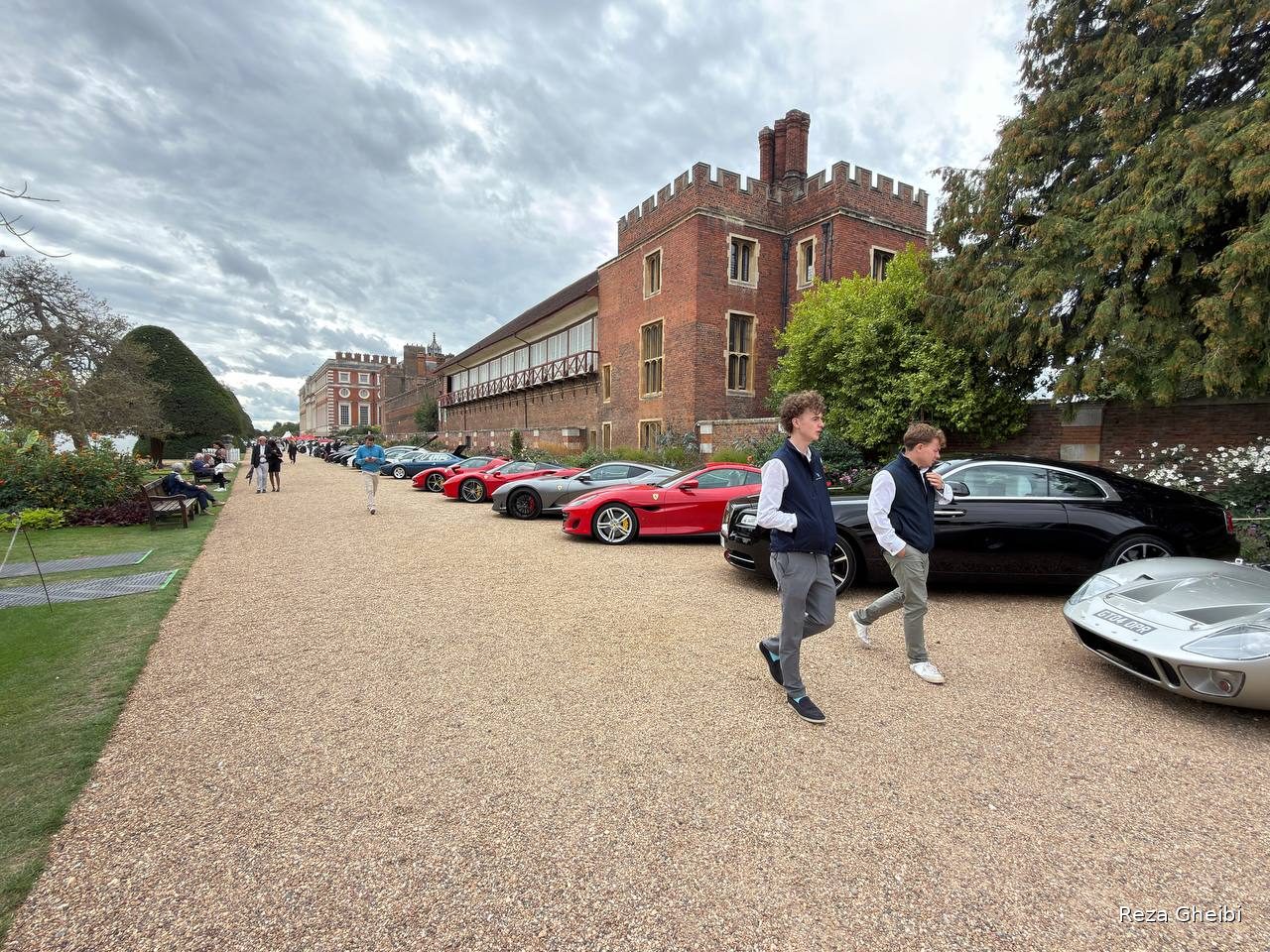
A field note in pictures from Hampton Court: which cars turned a moment into a lasting design language, which are still only spectacle, and which brands on the lawn were borrowing the cars' authority — and which simply belonged there.
The Concours of Elegance fills the gardens at Hampton Court Palace for one weekend a year, and the easy way to describe it is a festival of the past: a hundred rare machines on the gravel, five centuries of brick behind them, a grey September sky. Spend an hour on the lawn, though, and it reads less like a museum than like a place where several different kinds of value are being exchanged at once — and where, if you watch, you can occasionally see reputation move from one thing to another.
That last part is what interests ELIN. Most of the time cultural credibility is hard to catch changing hands. Here, parked on grass and pitched in tents, it is unusually legible.
The drive-in
The first thing you meet is not the concours proper but the owners' car park, which at Hampton Court is its own exhibition — current six-figure machinery arranged, without apology, beside a wall built four hundred years before the engine. The arrangement does not read as accidental. Parking a new car against old stone is the cheapest borrowing on the field: the setting lends permanence, and the cars accept it.
The hypercars
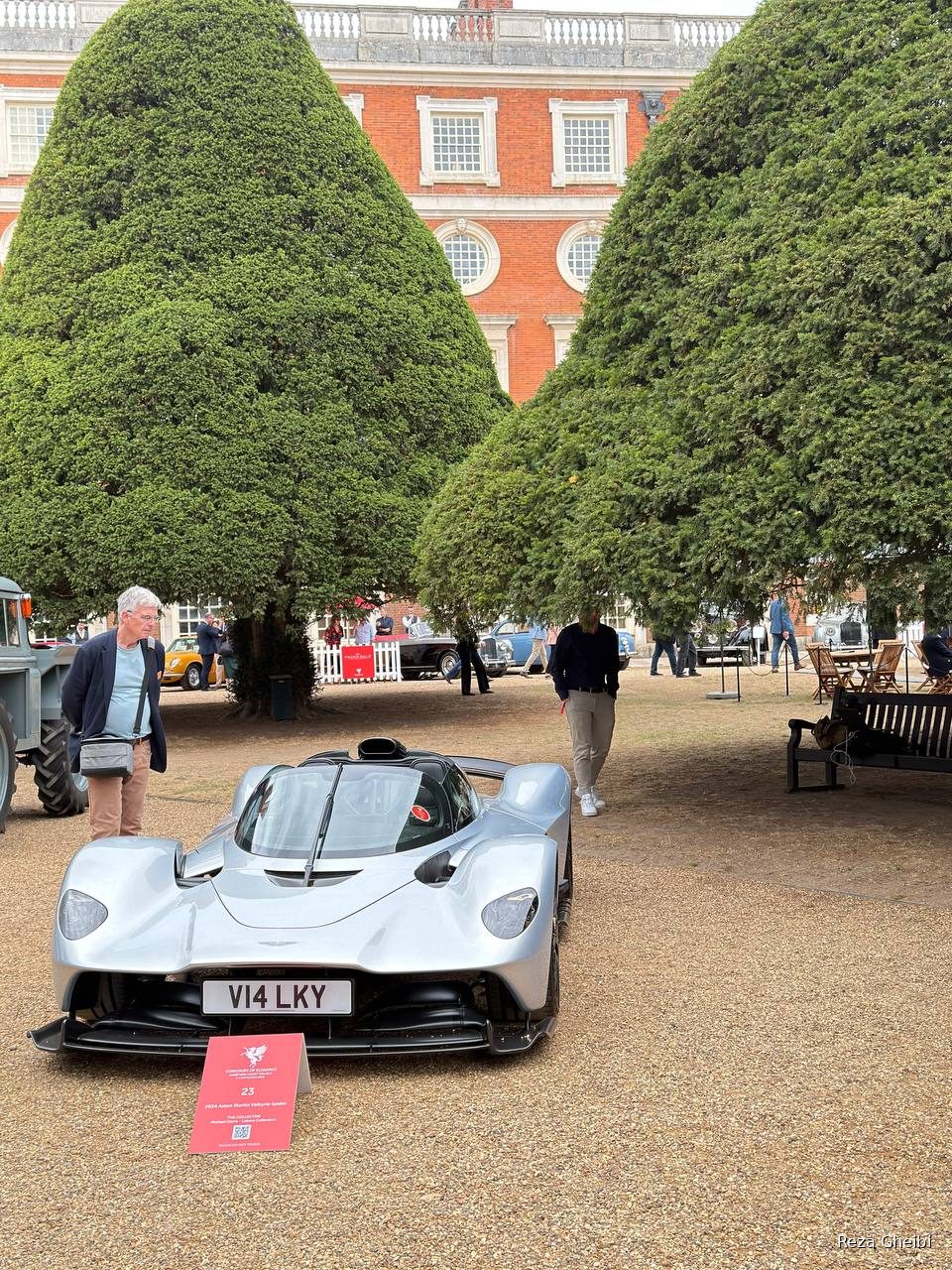
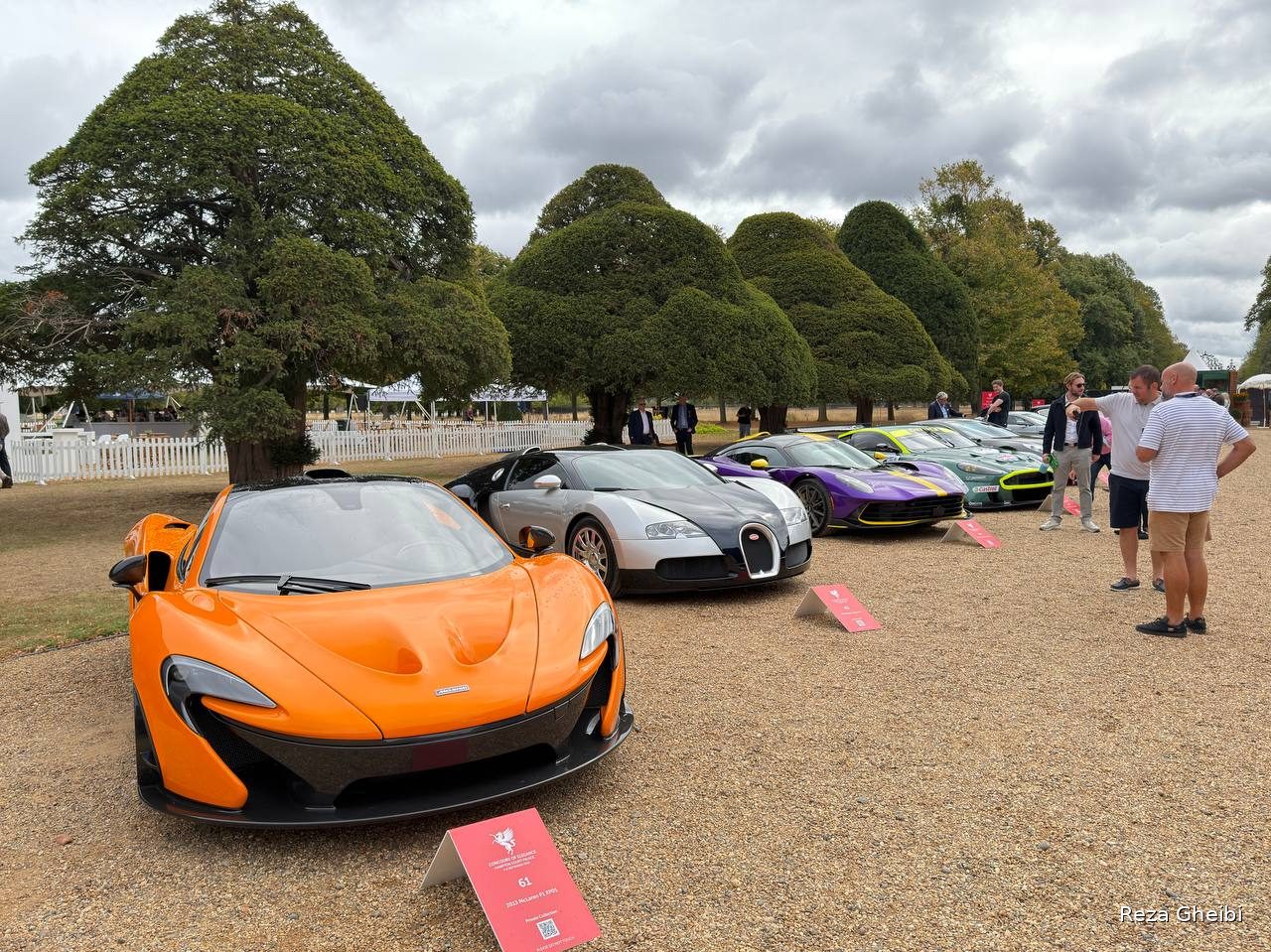
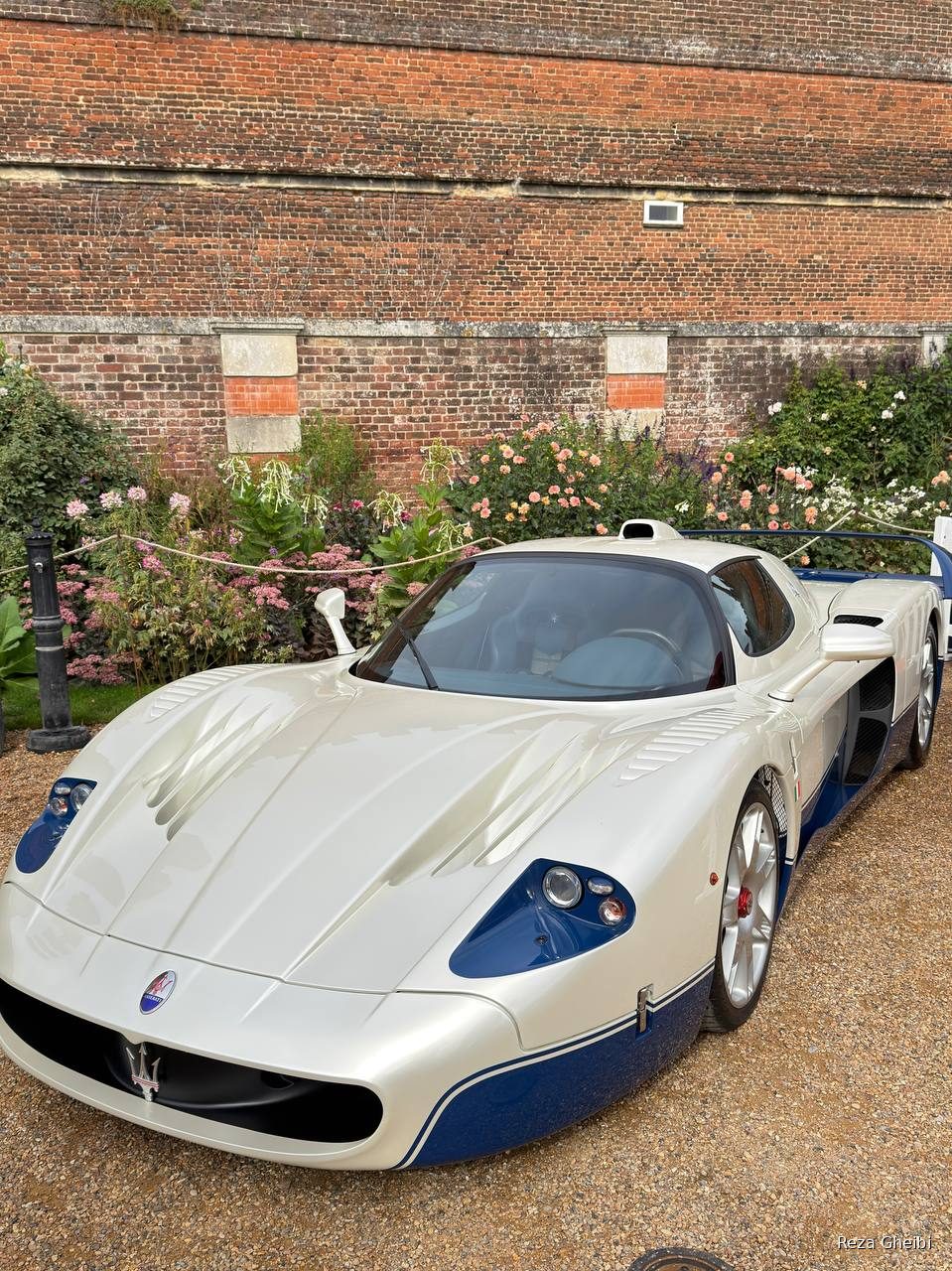
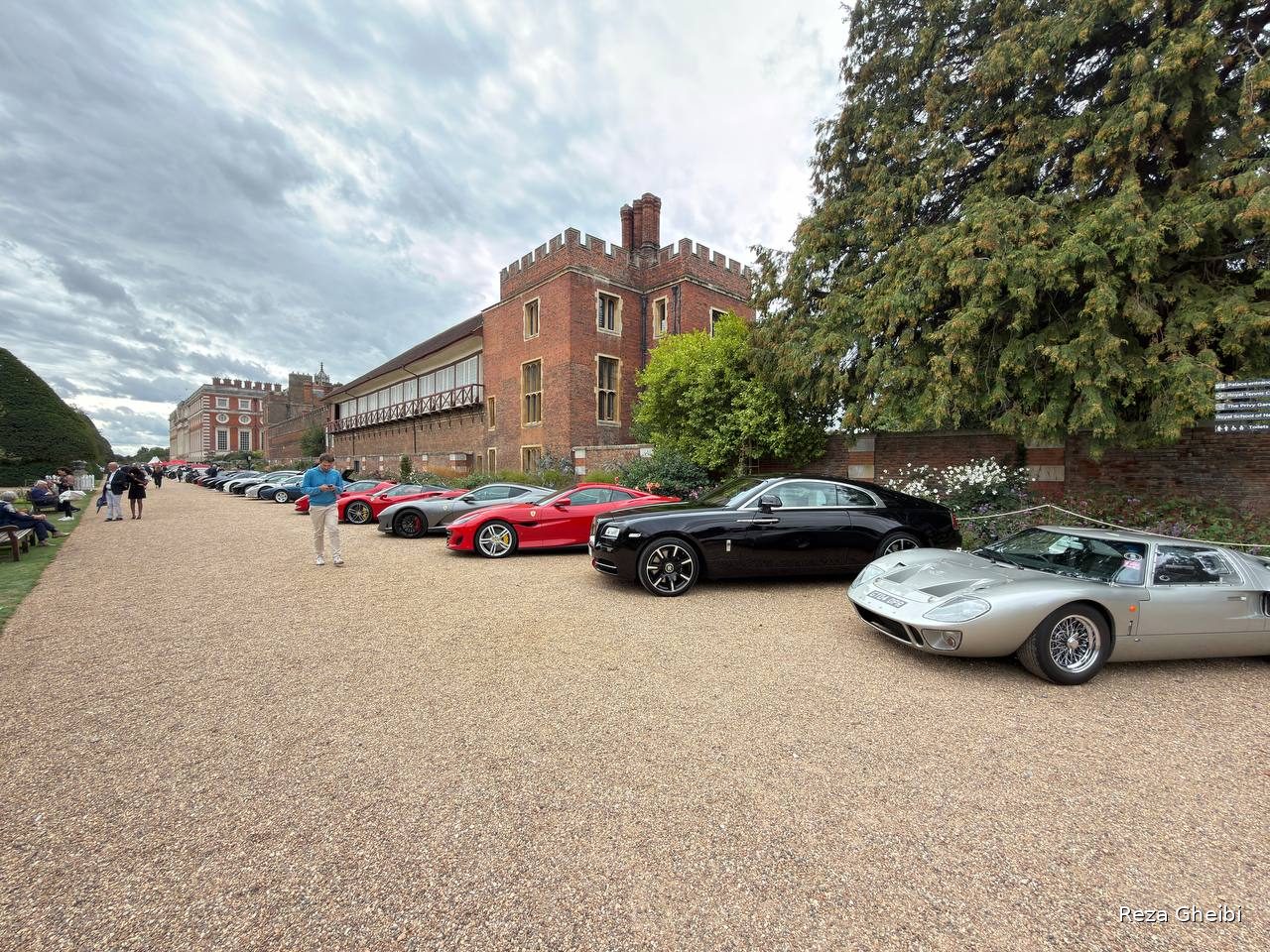
These are the crowd-stoppers, and the attention is real. The useful question is where it comes from. Some of it is the car itself — a shape, an engineering idea, a way of moving that belongs entirely to its maker. Some of it is simply that the thing is new, loud and rare, which pulls a crowd today but says nothing yet about tomorrow. The two are worth keeping apart: a car can be pure spectacle and still be wholly its maker's own work. Newness is not the same as borrowed.
The sharper line is time. The GT40's shape has already proved it lasts — sixty years on it reads instantly, and the marque still trades on it. Whether the Valkyrie, the P1 or the MC12 will be as legible in 2085 is simply not known yet. That is not a mark against them; it is the one thing a concours cannot tell you on the day.
The cars that became a language
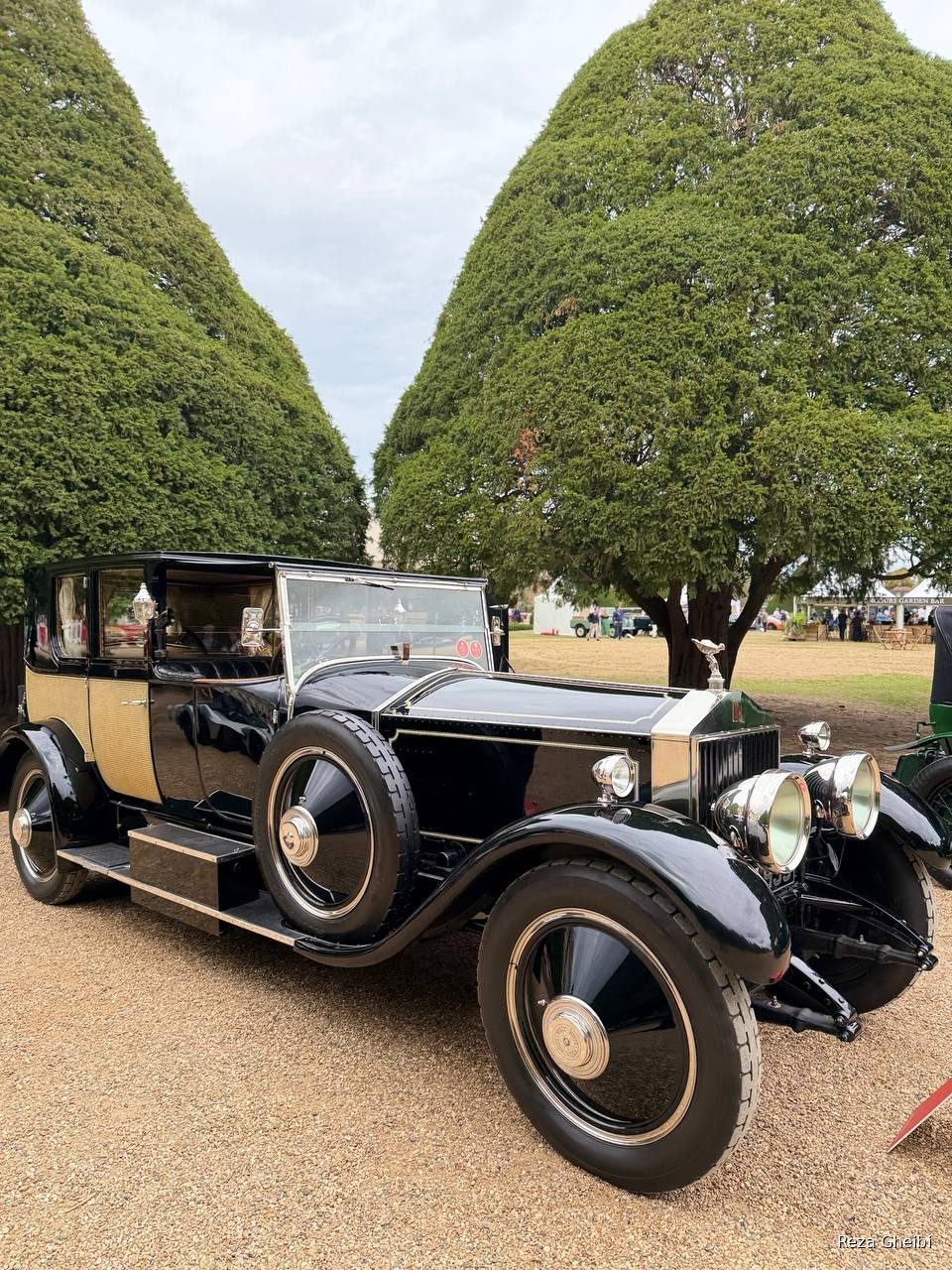

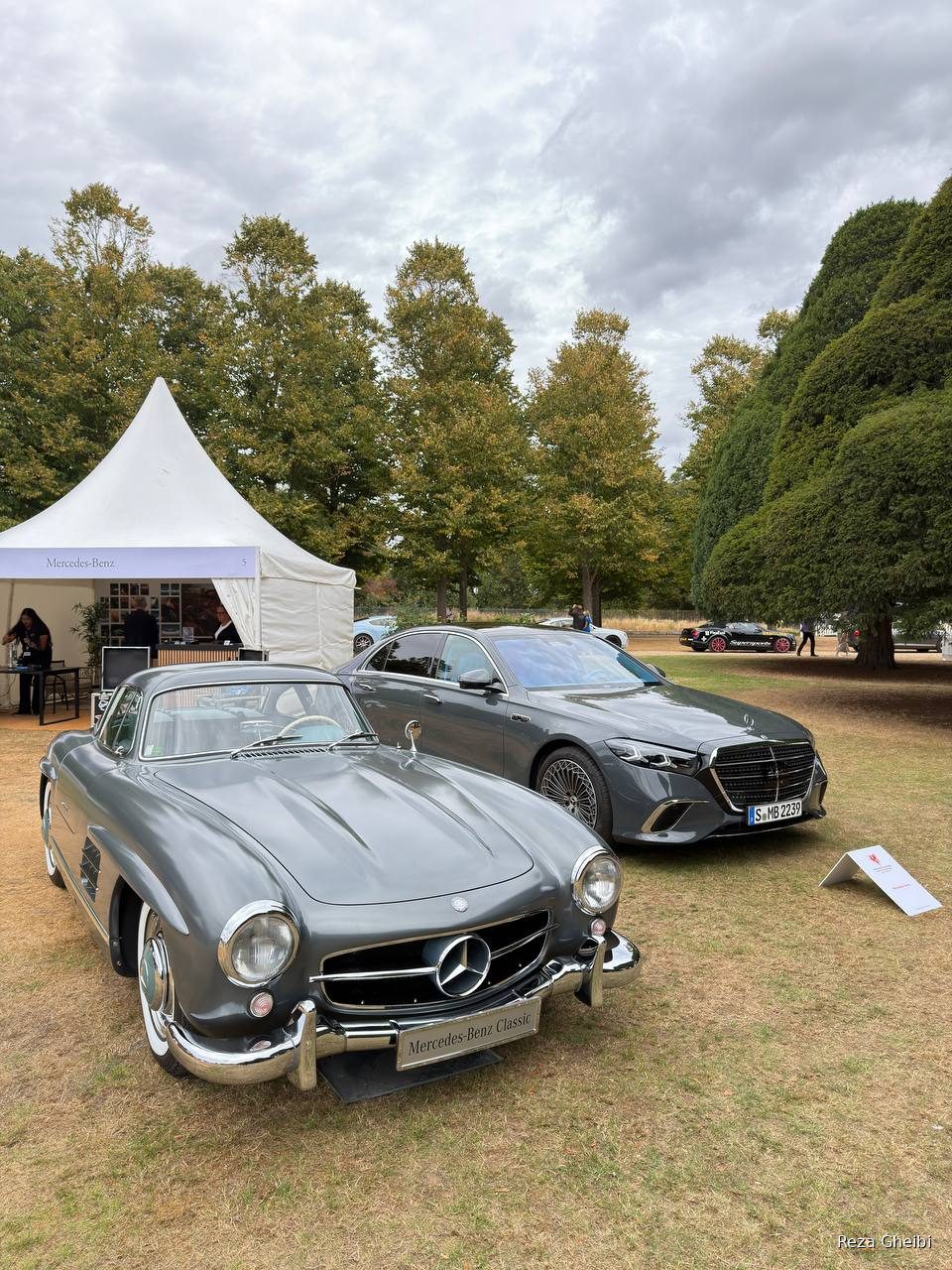
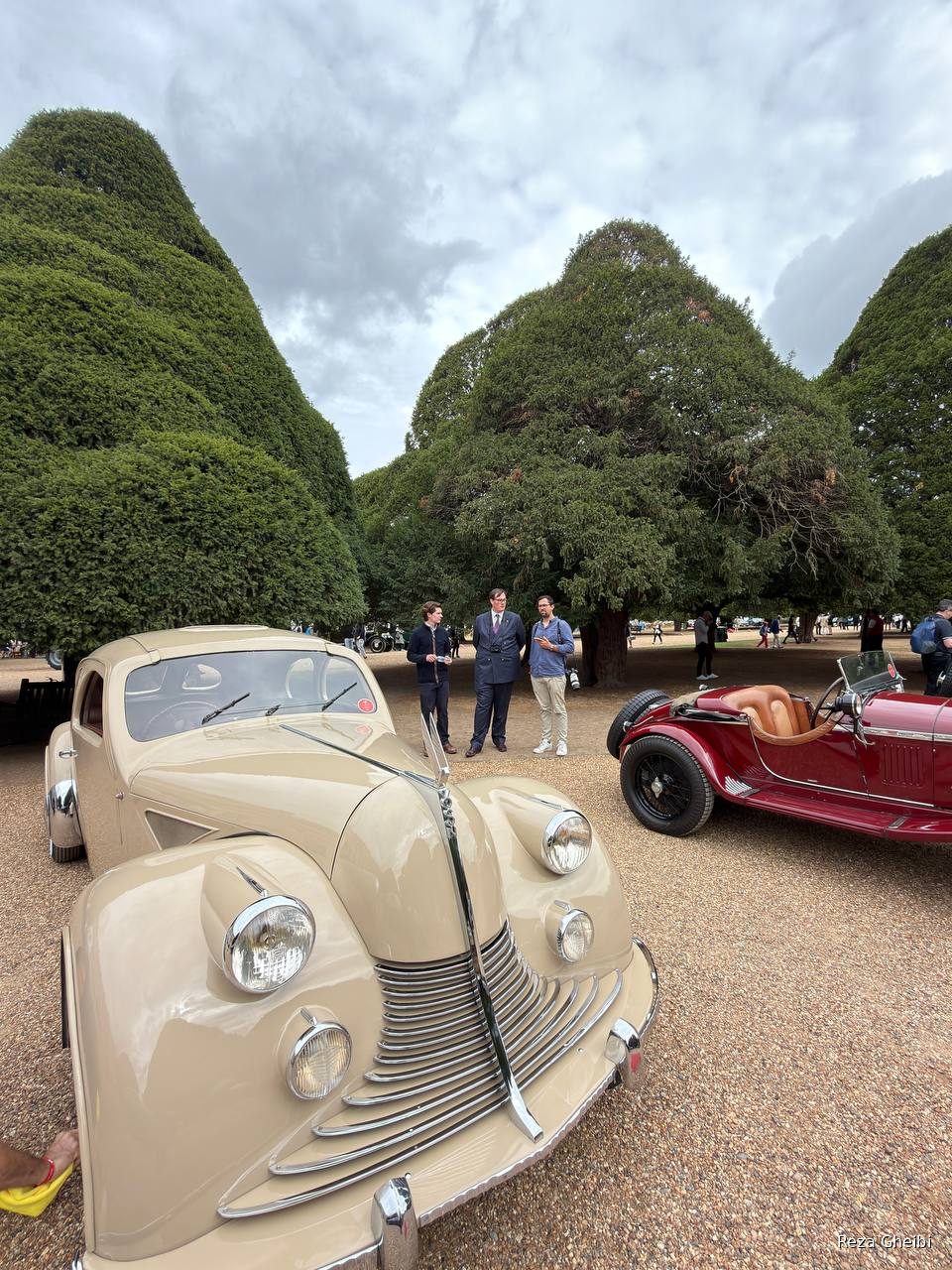
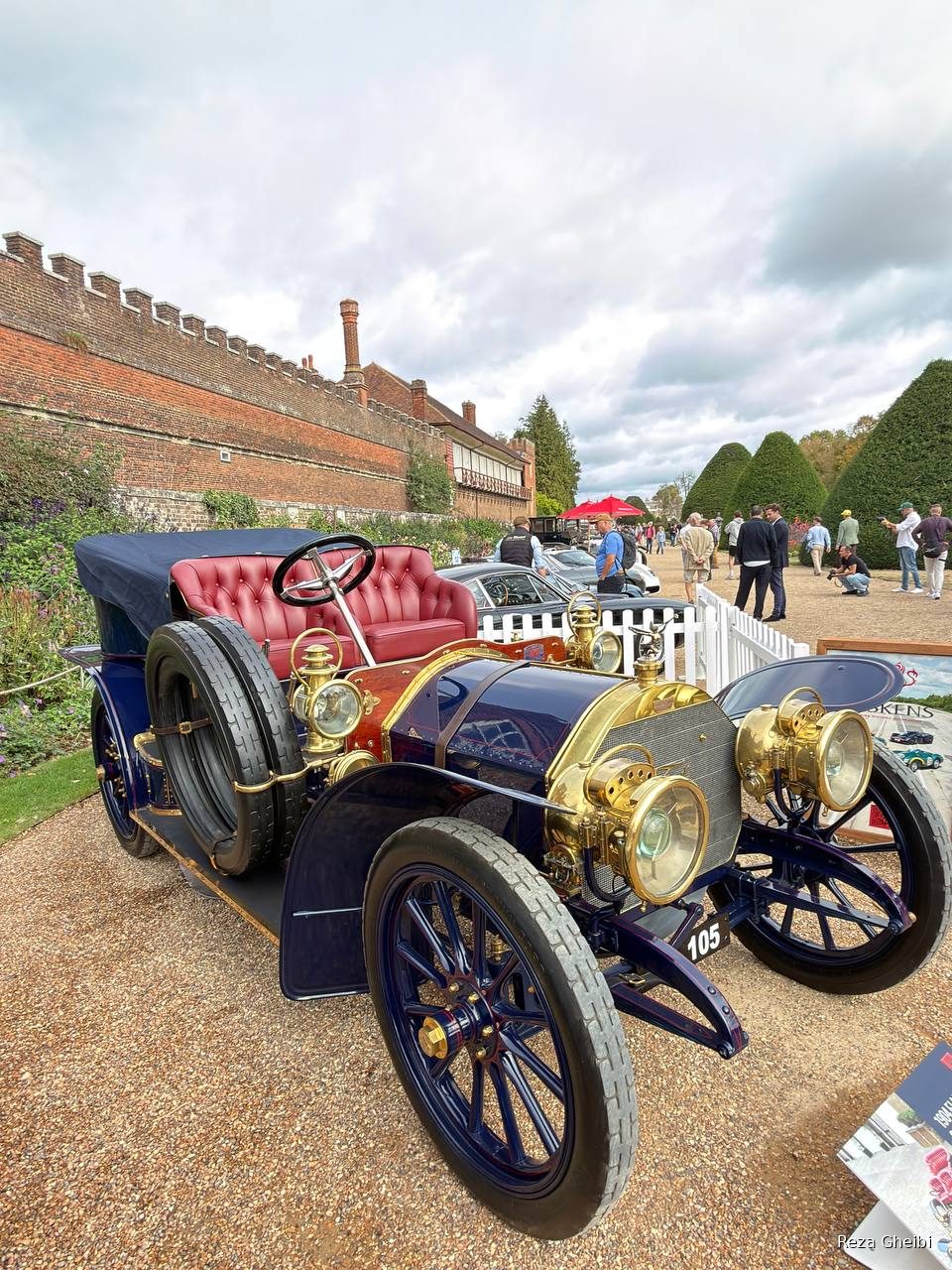
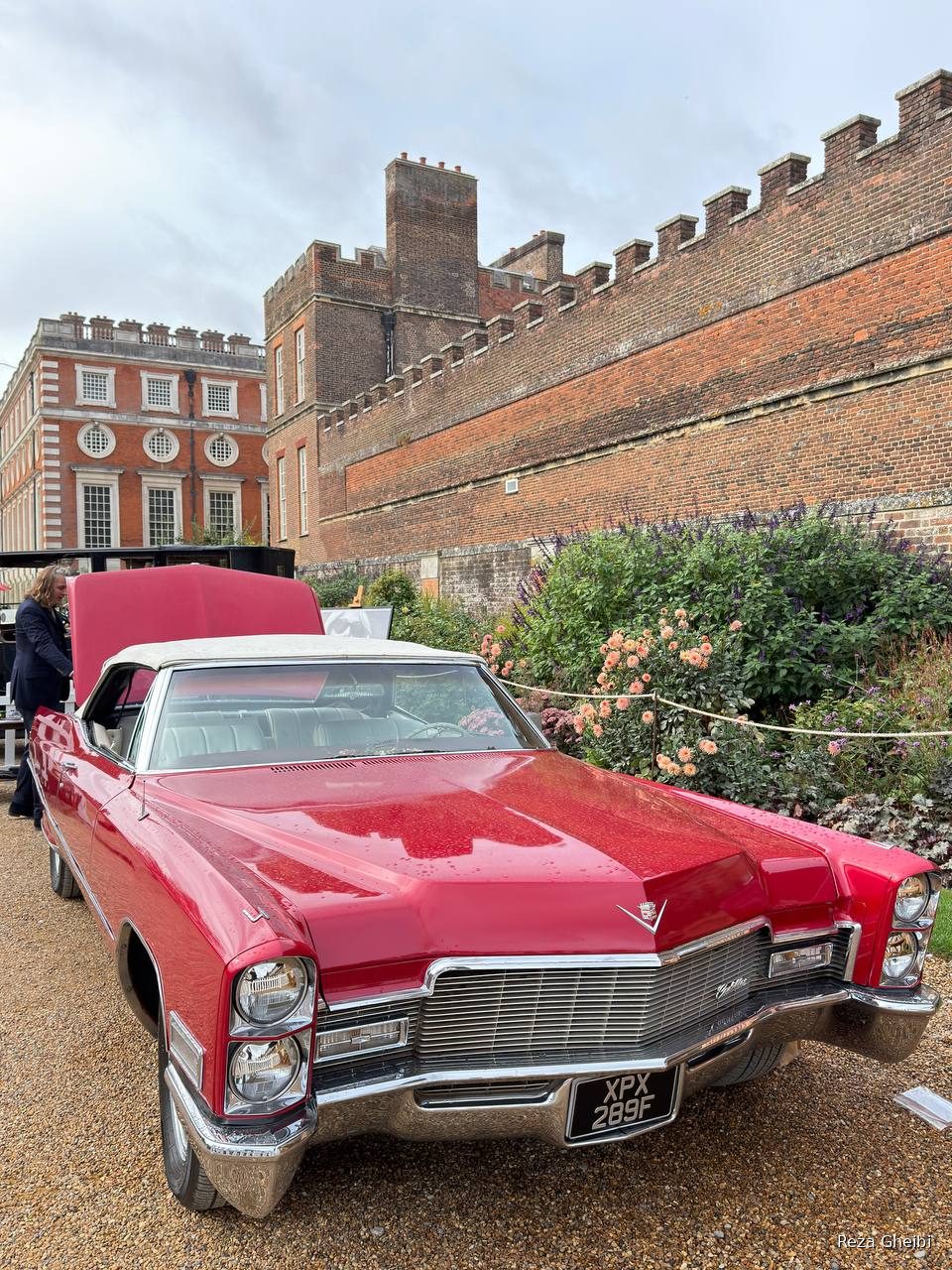
A few of these did something rarer than merely last: they turned a single moment into a design language their makers still draw on. The 300 SL's up-and-over doors reappeared, deliberately, on the SLS half a century later. Rolls-Royce still fits the same radiator shape and the same figure on the bonnet it used in the 1920s. That continuity is an asset you can point to — not because the cars are old, but because something specific about them was kept and reused.
Not everything on the grass carries that. Some of the most beautiful machines here are closed sentences: perfect, admired, and without a sequel — a coachbuilt one-off, a colour never repeated, a body whose maker never had to speak again. They are worth more as objects than as languages, and there is no shame in it. The distinction worth making is only which of the two you are looking at.
Craft, and one joke
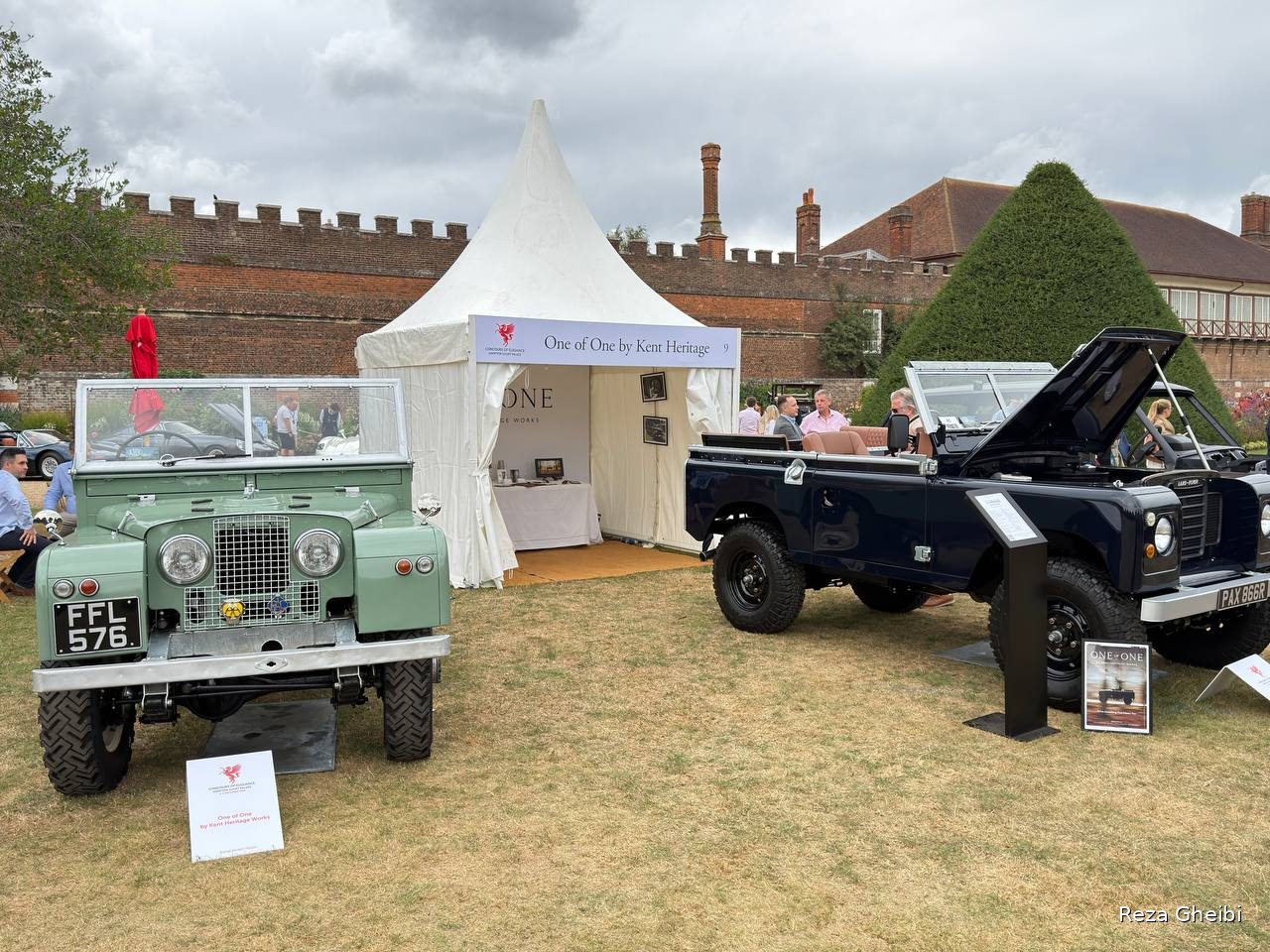

Two stands leaned less on heritage or spectacle than on the making itself — a specialist rebuilding Land Rovers to order, and a hand-built electric board-tracker on a rug. Both asked you to value the work rather than the badge. It is a quieter proposition, and a clarifying one.
The brands around the cars
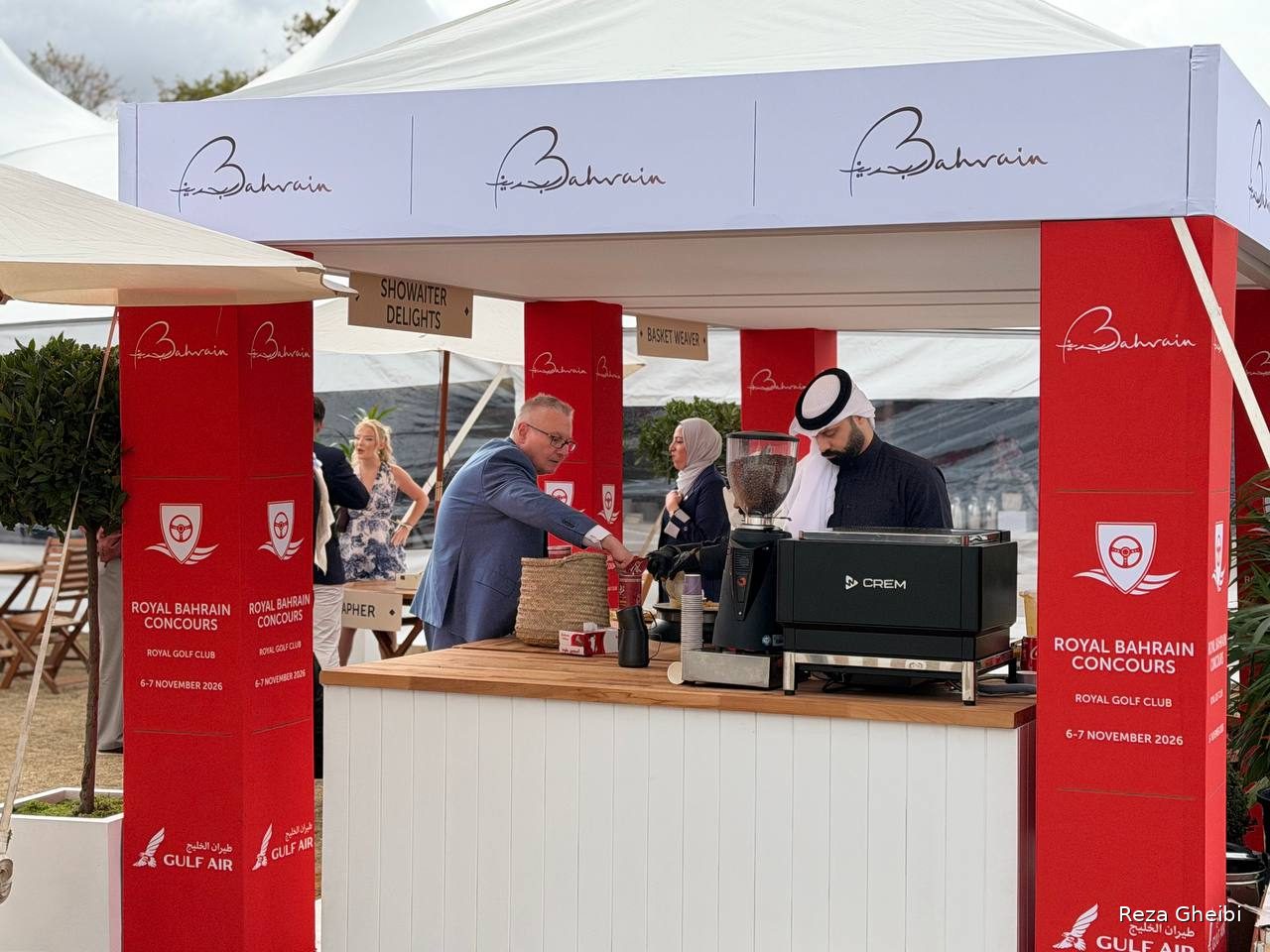
Around the machines ran a second market, and it is the most interesting thing on the lawn — as long as you don't flatten it. The stands were not all doing the same thing. The Royal Bahrain Concours took a full stand here, marketing a concours of its own about two months out. The easy read is borrowing — a younger event standing beside an older one to acquire its credibility. But the two are run by the same company, Thorough Events, as part of one international network, so this is less an outsider borrowing than an organiser seeding a newer event with the audience of its established one. The open question is the one ELIN asks of any line extension: whether the Bahrain event grows an identity of its own, or stays a satellite of the Hampton Court original.
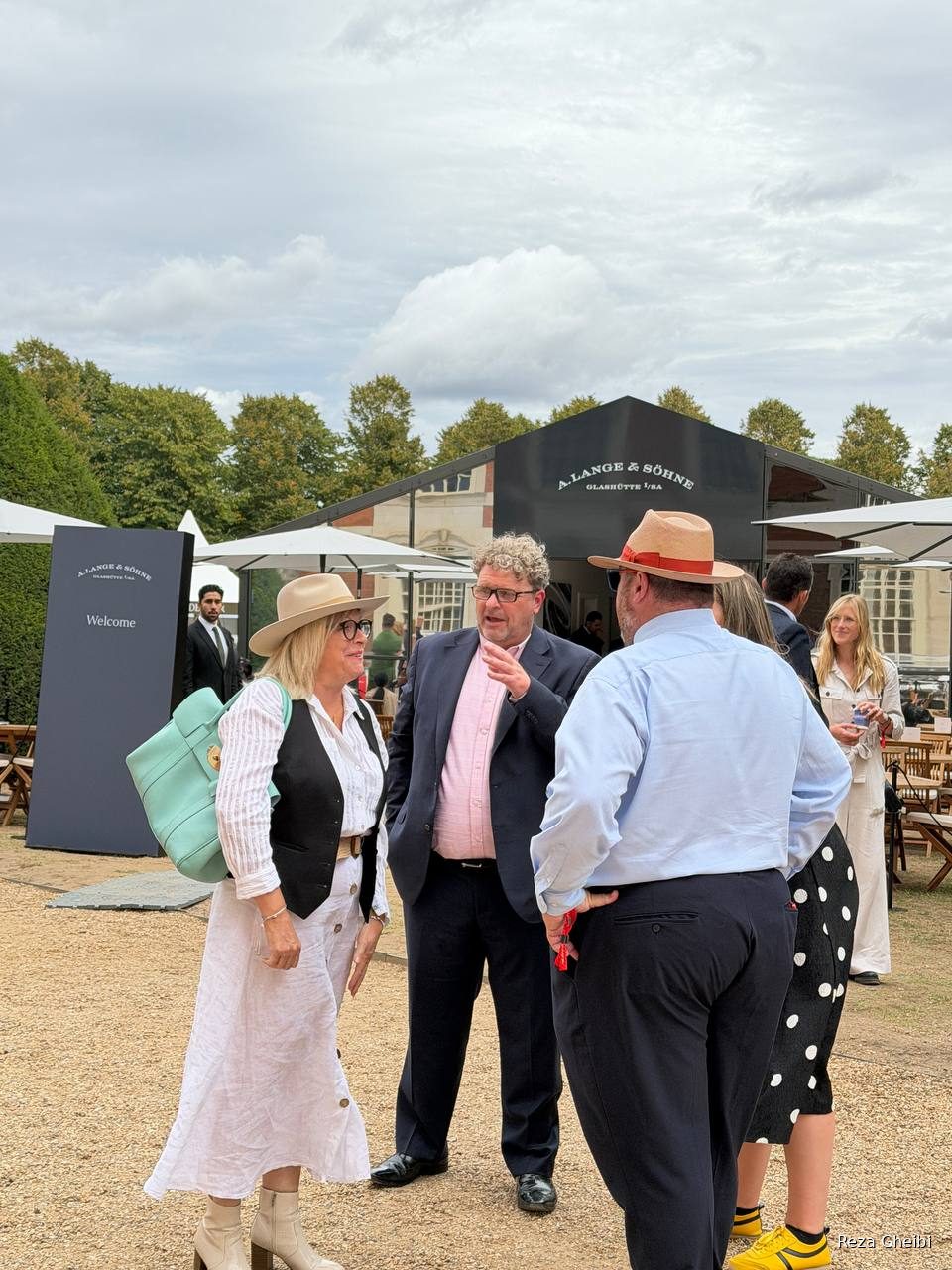

But not every brand here is renting. A watchmaker like A. Lange & Söhne arrives with prestige of its own; what it buys is adjacency — the right audience, and a shared idea of what lasting craft looks like. An insurer like Chubb has a plainer, functional reason to be present: it insures exactly these objects, and its thirty-year sign is a claim about competence, not glamour. Client access, aesthetic kinship, professional relevance, and outright credibility-transfer are four different motives — and telling them apart is where the reading actually lives.
Some brands on the lawn were borrowing the cars' authority; others simply belonged near them. The work is telling which is which.
What stays when the lawn empties

By late afternoon the tents come down and the machinery is trailered away. What stays, in memory and in value, is narrow: the few objects whose language still reads without a caption, and the brands whose reason for being there outlives the weekend. Elegance ages. A code compounds — and the same, a stranger might notice, is true of the Houses ELIN reads the rest of the year.
A companion field note from the same day, on the hospitality inside the ropes: The Cars Were the Room. Photographs: Reza Gheibi. Concours of Elegance, Hampton Court Palace, September 2026.