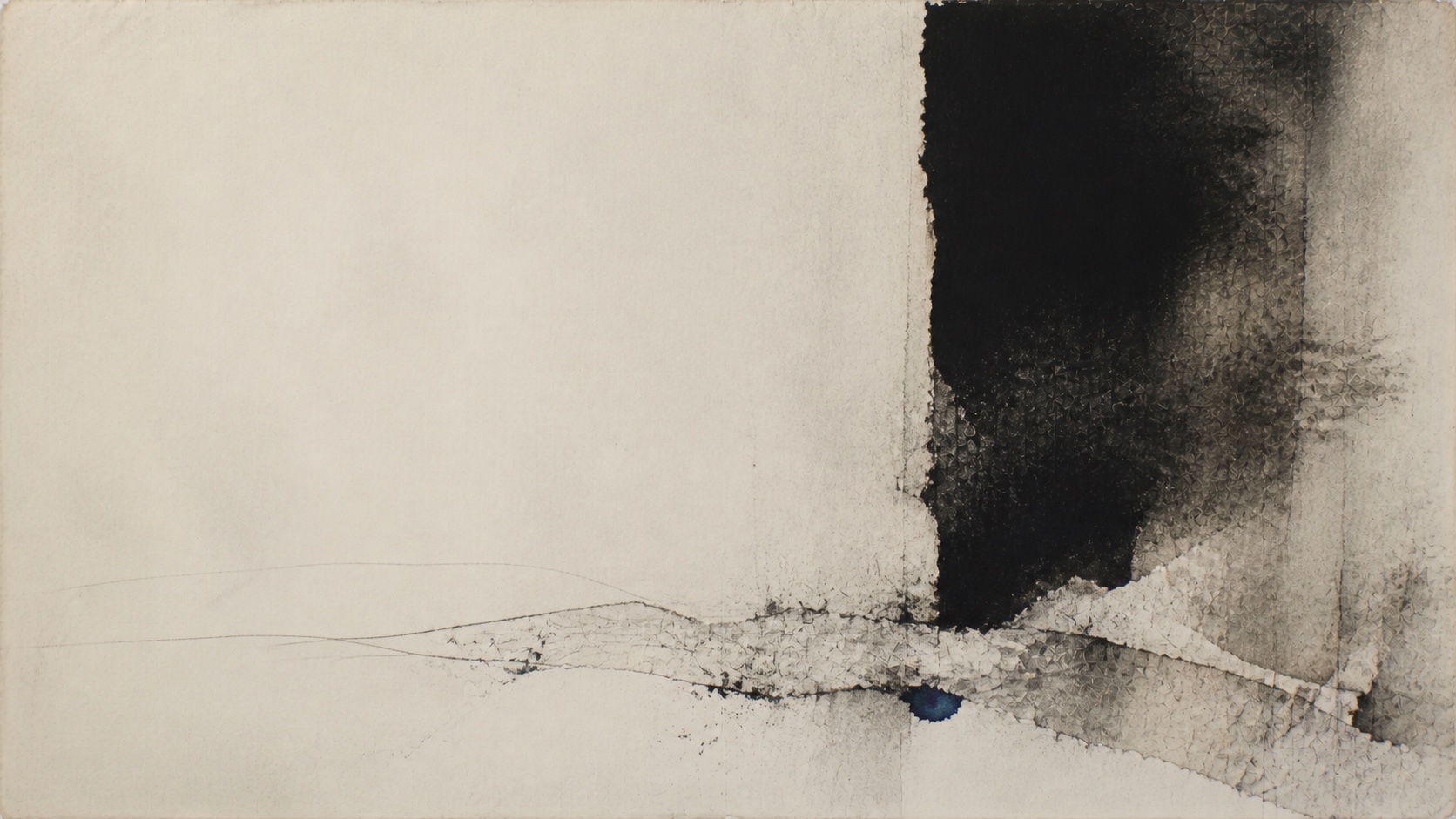
The Empty Place
A living table of memory, rupture and what remains

There is a gesture that appears across many culturesshaped by rupture.
A place is set at the table for someone who is not there.
In Iranian and Persianate life, the sofreh is never onlyfunctional. It is a surface of gathering, hospitality, memory and relation. Itshows who is present. It also reveals who is absent. A chair left open, a platenot removed, a cloth folded and carried, a recipe remembered after the personwho made it is gone — these are not small details. They are forms of culturalsurvival.
The empty place is not only loss.
The empty place is not only loss. It is a structure of memory.
It marks interruption, but it also holds continuity. Itallows absence to remain visible without being solved, replaced or turned tooquickly into explanation.
—
The Empty Place begins from this gesture.
ELIN is developing The Empty Place as a curated culturalmemory project: a living table of letters, drawings, objects, photographs,sounds, short films, poems and fragments from lives shaped by rupture.
The project begins in Iranian and Persianate experience —a long and layered tradition of diaspora, cultural continuity under pressure,and intergenerational memory-carrying. But its question is not limited to onegeography or one community.
It extends to anyone who has ever kept an object becausediscarding it would feel like another kind of leaving; anyone who has inheriteda story they did not directly live; anyone who has watched home become a place,a language, a person, a smell, a file, a message, a room, a recipe or asilence.
The question is simple:
When ordinary life is interrupted,what still remains — and what still gathers us?
Not every rupture announces itself as history. Some arriveas a phone call. Some as a closed border. Some as a room left untouched. Someas a dinner where one person is missing. Some as a language spoken more quietlyin a new city. Some as a message that will never be answered.
These fragments matter because culture often survives informs too small to be called monuments.
A handwritten note. A tableclothfolded into a suitcase. A drawing of a room that no longer exists. The sound ofa voice. A photograph of a window. A poem never sent. A plate set for someonewho is not there.
—
This matters now because absence itself is changing.
Digital life has created new forms of afterlife: profilesthat remain active, messages that go unread, photographs resurfaced byalgorithms, voices stored in files, accounts that continue to appear long afterthe person behind them is gone.
Recent patents and products in the digital afterlifeindustry suggest a new cultural pressure: to keep the absent digitally present— posting, responding, simulating — as if absence were a technical problemawaiting a solution.
The Empty Place makes a different claim.
Absence is not always a problem to be filled.
Sometimes the empty place must remain empty — not asdespair, but as form. It holds a relation that no simulation can replace.
A letter that was never sent, an object carried across aborder, a voice remembered imperfectly, a recipe written from memory: these donot erase absence. They give it shape. And in giving it shape, they make itpossible to gather around it — which is what the table has always been for.
—
The project treats each contribution as a place setting ona larger living table.
A place setting may be written, visual, sonic, material ormoving-image. It may be a letter, a poem, a drawing, a photograph, an object, asound, a short film, a fragment in a language under pressure, or a messageaddressed forward in time — to a child not yet born, to a country not yetchanged, to a self that has not yet arrived.
It does not need to explain everything. It does not needto become testimony. It only needs to carry something that remained.
The table is open, but it is not careless.
A project about absence must be built with restraint. Notevery submission will be shown. Not every story should be made public. Notevery fragment belongs to the same degree of exposure. Some works will requireanonymity. Some may be held privately. Some may not be displayed at all.
This is not a limitation. It is part of the method.
The Empty Place treats memory not as material to beextracted, but as something entrusted. Cultural work becomes serious when itknows what not to take, what not to display, and what not to make available tooquickly.
The project is not built for propaganda, hate, directpolitical mobilisation, or material that may endanger contributors or others.It does not represent any state, party, religious body or advocacy group. Itdoes not aim to produce a single narrative. It aims to hold fragments carefullyenough that they can speak without being forced into noise.
Difficult works belong here. Grief, anger, irony,tenderness, refusal and formal experiment can all find a place at the table.
The curatorial principle is care, not impact.
—
The Empty Place is currently in development.
Its form will be shaped slowly — through selectedsubmissions, invited contributions, a digital archive, a physical long-tableinstallation, a sound layer, public conversations, and a small publication.
At each stage, the project will be guided by artistic,academic and cultural counsel.
If you would like to be informed as the project develops,to propose a contribution, or to discuss a possible collaboration, we welcomethe conversation.
—
A long table does not need to be full to work.
It needs to be set correctly — with enough space betweeneach place for what is there to be seen, and enough silence between each piecefor what is absent to be felt.
The Empty Place begins with that silence.
And with the question every table eventually asks:
Who is not here? What did theyleave? And what, in the end, remained?
Cultural signal. Selective experiences.
Private access. London.